President Erdogan declares Hagia Sophia a mosque after Turkish court ruling-page two
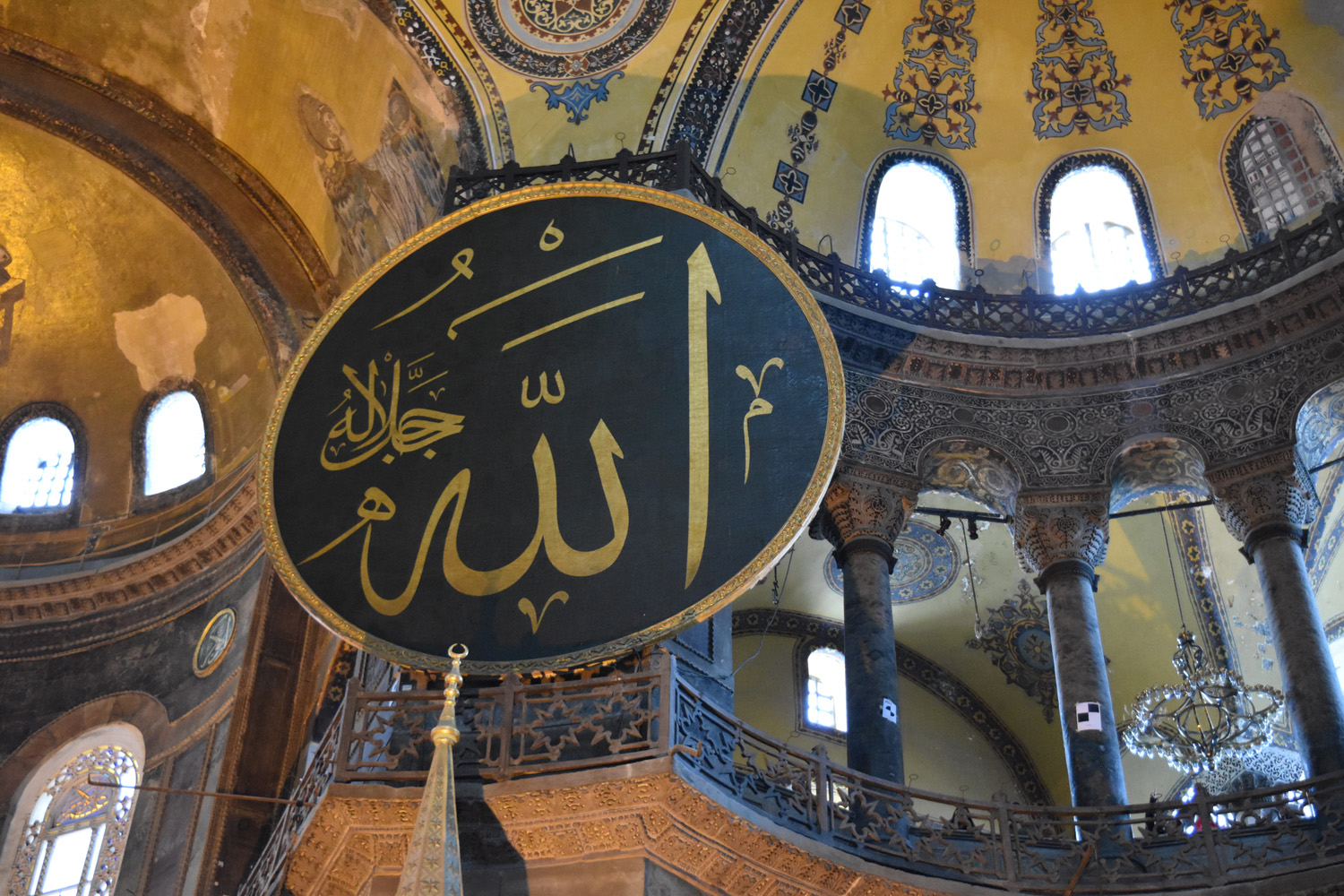
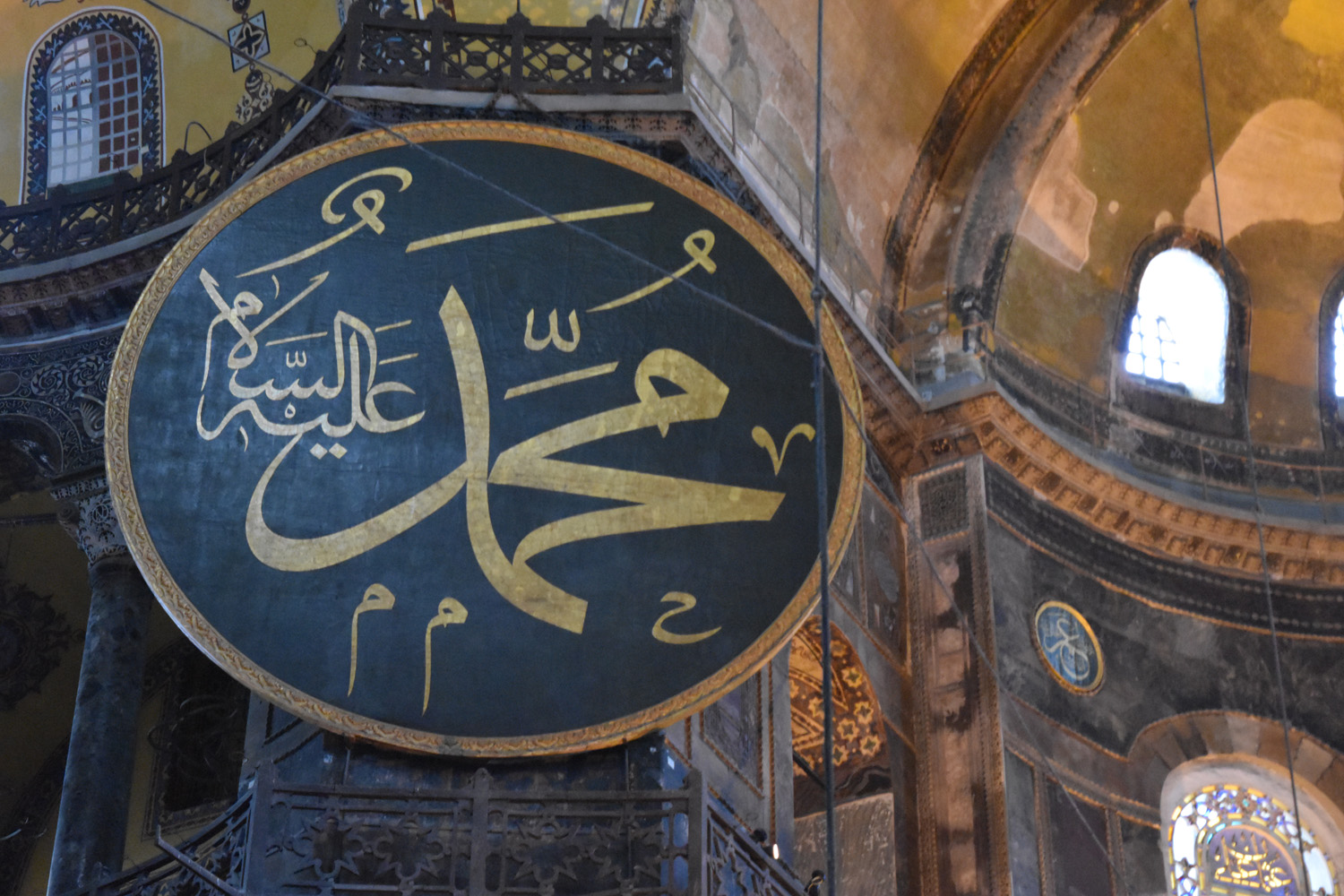
July 24: From Lausanne to Hagia Sophia Mosque, a date for Turkey's sovereignty
On the anniversary of the Treaty of Lausanne signing, Turkey took another step to show the world that its sovereignty is undisputed and cannot be intervened by others, the Turkish Daily Sabah said.
On July 24, Hagia Sophia museum, a Byzantine landmark which was converted into a mosque after the Ottoman conquest of Istanbul, will be reopened as a mosque, on the 97th anniversary of the treaty between Turkey and world powers.
Signed on July 24, 1923, in Switzerland's Lausanne, the treaty officially ended hostilities between the Allies and the Turkish state led by the Grand National Assembly and marked most of Turkey's current borders.
It also reversed the extensive losses of Turkish-inhabited territories that were laid out in the Sevres Treaty, forced upon the Ottoman Empire by Allied powers.
It also put an end to the centuries-long economic concessions granted by the Ottoman Empire to European powers.
“It is about our sovereignty rights,” Erdoğan said in his speech on Friday evening as some countries rushed to criticize Turkey for the decision.
Greece, one of the signatories of the Treaty, was among the first countries to slam the move.
EU, Turkey clash over Hagia Sophia 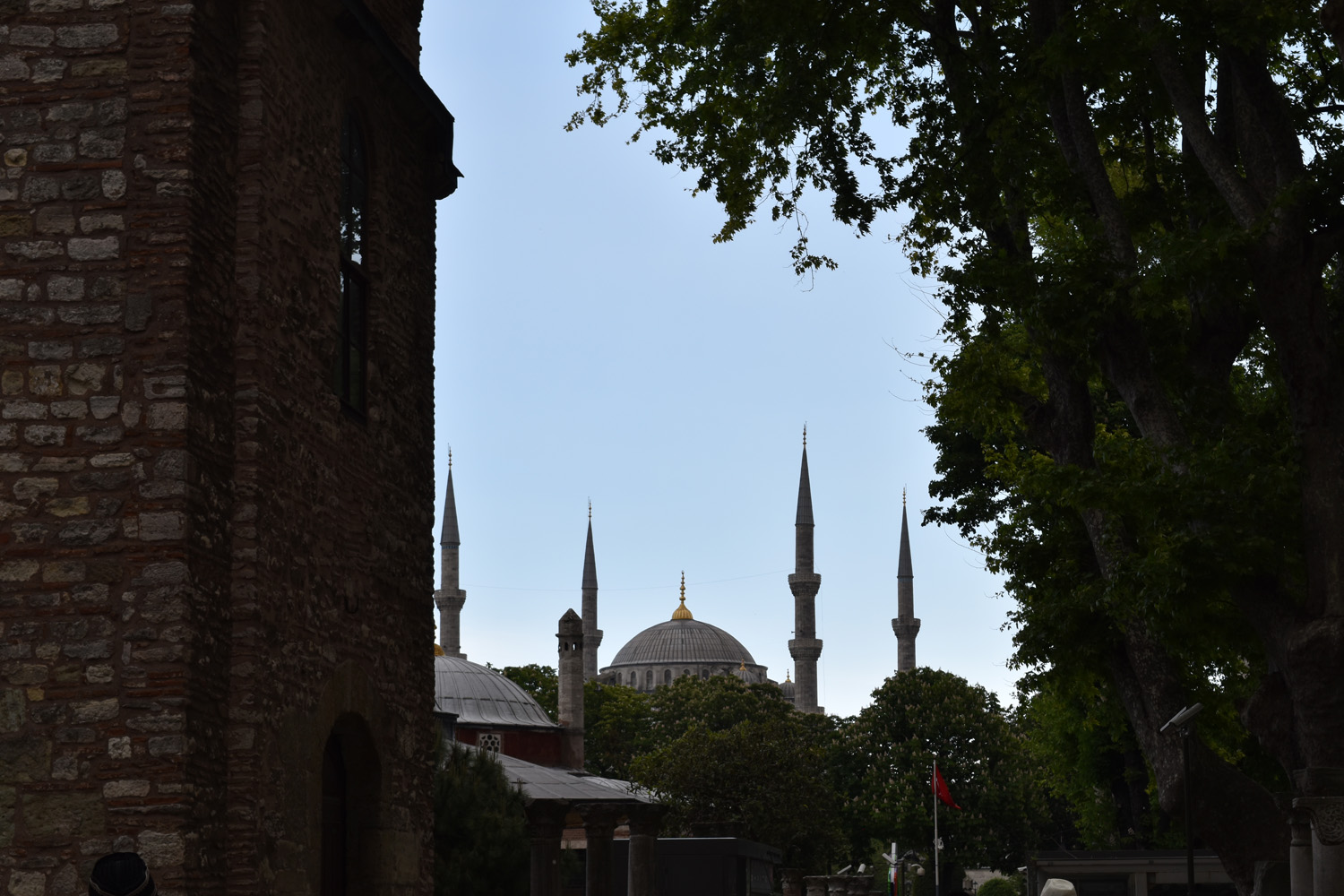
Turkey and the European Union clashed on Monday over Ankara's decision to change the status of Hagia Sophia from a museum to a mosque.
After their their first face-to-face meeting in months, the 27 EU foreign ministers said that they “condemned the Turkish decision to convert such an emblematic monument as the Hagia Sophia," EU foreign affairs chief Josep Borrell was quoted as saying by the Associated Press.
“This decision will inevitably fuel the mistrust, promote renewed division between religious communities and undermine our efforts at dialog and cooperation," he said after the meeting of EU foreign ministers.
Greek government spokesman Stelios Petsas said Monday that the EU was “faced with a challenge and insult" meted out by Erdogan.
Turkish Foreign Minister Mevlut Cavusoglu hit back and rejected international intervention concerning its decision to convert Hagia Sophia back into a mosque.
“Hagia Sophia was left as a legacy as a mosque and must be used as a mosque,” Cavusoglu told the Turkish TV. “We strongly reject comments that amount to an intervention in Turkey’s sovereign rights.”
Hagia Sophia is hardly the first historic religious site to fall afoul of modern politics, Washington Post said adding: India still bears the scars of the 1992 religious riots that followed a mob's demolition of a 16th century mosque that some Hindus believed was built atop the birthplace of a major deity. The conflict over the site has long been weaponized by the country's current Hindu nationalist rulers.
Christians have lived in Turkey for two millennia
Christianity has a long history in Anatolia (nowadays part of the Republic of Turkey's territory), which is the birth place of numerous Christian Apostles and Saints, such as Apostle Paul of Tarsus, Timothy, St. Nicholas of Myra, St. Polycarp of Smyrna and many others.
Antioch (Antakya) was also the place where the followers of Jesus were called "Christians" for the first time in history, as well as being the site of one of the earliest and oldest surviving churches, established by Saint Peter himself. For a thousand years, the Hagia Sophia was the largest church in the world.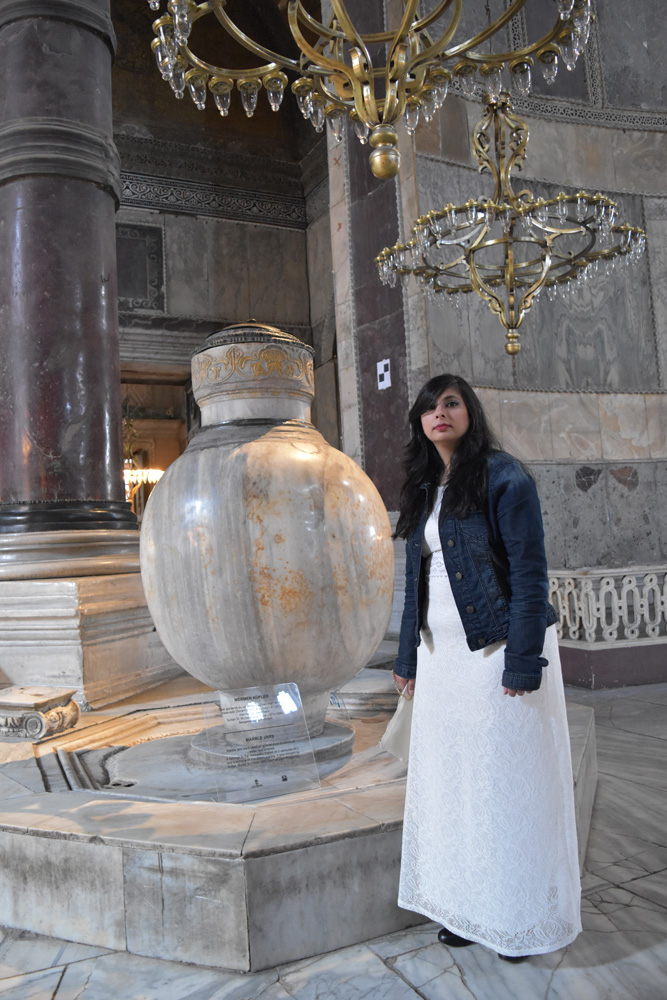
All of the first seven Ecumenical Councils which are recognized by both the Western and Eastern churches were held in present-day Turkey. Of these, the Nicene Creed, declared with the First Council of Nicaea (İznik) in 325, is of utmost importance and has provided the essential definitions of present-day Christianity.
Christians have lived in the region that is modern-day Turkey since the first century when Christianity emerged and many Christians escaping persecution in Jerusalem fled north and settled in cities across western, central and southeastern Turkey, according to Ramazan Kilinc, an Associate Professor of Political Science and Director of Islamic Studies Program at the University of Nebraska at Omaha.
Some of the Christian apostles traveled and even settled in regions in Turkey. These included Saint Paul, Saint Peter and Saint John. Saint Peter established one of the first Christian Churches and Saint John is said to have taken Virgin Mary to Ephesus, which is two miles southwest of present-day Selçuk in İzmir Province in western Turkey.
Constantinople, modern-day Istanbul, and Antioch, modern-day Antakya, in Turkey were two of the five centers of Christianity along with Rome, Alexandria and Jerusalem. Istanbul was long home to the largest cathedral in the world, the Hagia Sophia.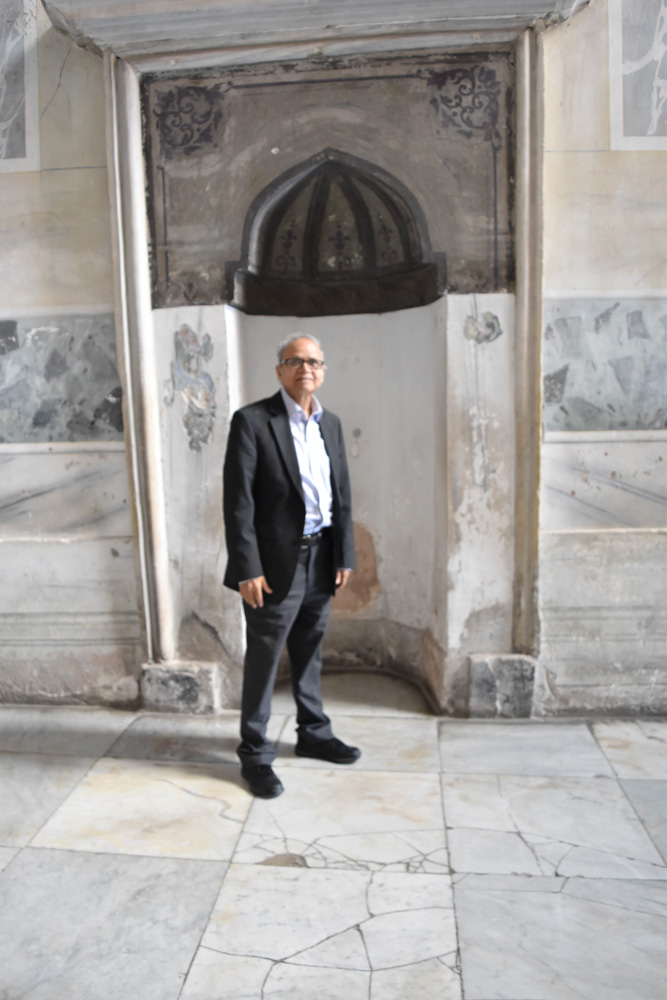
From its construction in the sixth century until the conquest of Istanbul by the Turks in 1453, Hagia Sophia served as a religious center for Eastern Christianity and the Byzantine Empire. The grand building became a mosque under the Ottomans and was converted into a museum in 1935 after Turkey became a secular republic.
Under the Ottomans, who ruled Turkey and the surrounding region between 1299 and 1923, the government employed a multi-legal system to manage religious diversity.
While Muslims were in power, judicial autonomy was granted to recognized religious minorities, including Christians. They were allowed to decide civil matters such as marriage and inheritance through their own religious laws.
With the weakening of the Ottoman Empire beginning in the 18th century, European powers gradually used coercion to secure rights for Christian minorities and used it as an excuse to intervene in domestic politics of the Ottoman Empire.
During the rule of the Ottoman Sultan Abdulhamid II, from 1876 to 1909, Christians felt alienated by pan-Islamist policies that pursued unity among Muslims globally. This was a departure from the sultan’s predecessors’ principle of equality between Muslims and non-Muslims.
After the disintegration of the Ottoman Empire after its defeat in World War I, the Republic of Turkey replaced it. The new state guaranteed the protection of the rights of non-Muslim minorities in the Treaty of Lausanne.
Today the Christian population of Turkey is estimated at around 200,000- 320,000 Christians, according to Wikipedia.
Tellingly, in the past decade, less famous former churches in other parts of Turkey - some also named Hagia Sophia have resumed services as mosques, according to Washington Post.
In 2012, in Iznik, another Hagia Sophia was converted into a mosque. The location was significant: Iznik, the ancient Nicaea, is where bishops from all over the Roman Empire had gathered in 325 to craft the Christian creed. A year later, in Trabzon, another famous Hagia Sophia, a museum since 1961, was also turned into a mosque.
Abdus Sattar Ghazali is the Chief Editor of the Journal of America (www.journalofamerica.net) Email asghazali2011 (@) gmail.com







The Journal of America Team:
Editor in chief:
Abdus Sattar Ghazali
Senior Editor:
Prof. Arthur Scott
Special Correspondent
Maryam Turab

Your donation
is tax deductable.